
Welding Resources Centre
Search
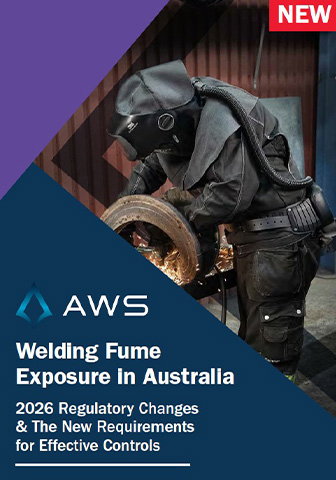
2026 Welding Fume Regulation Changes
Australia is strengthening regulations around welding fume exposure, with major implications for workplace compliance. In January 2024, the Workplace Exposure Standard (WES) for welding fumes was reduced by 80% and made legally enforceable, placing greater responsibility on employers. Further changes are coming in December 2026, when WES will be replaced by Workplace Exposure Limits (WEL), aligning Australia with global standards and significantly lowering allowable exposure levels for many hazardous components. Alongside this, the adoption of AS/NZS ISO 21904 in March 2026 introduces new requirements for welding fume extraction equipment. This document summarises the regulatory changes and explores the practical steps required to comply with the new limits and fume extraction standards.
View White Paper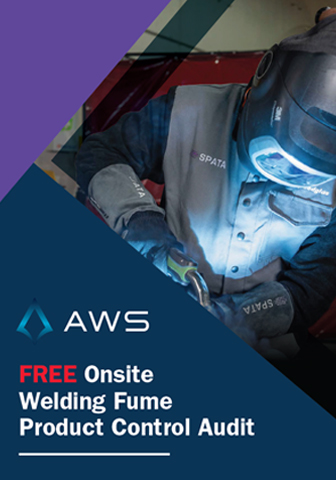
FREE Onsite Welding Fume Product Control Audit Brochure
Australia’s welding fume regulations are tightening dramatically from December 2026 – and businesses are expected to demonstrate the proper application of the hierarchy of control. So, we’re offering a FREE onsite audit to help you get ready! You’ll walk away from your welding fume product control audit with a clear understanding of what the new limits mean for your workplace, whether your current controls are adequate, what SafeWork will expect during an inspection & how to reduce exposure to levels that meet the new WELs.
View White Paper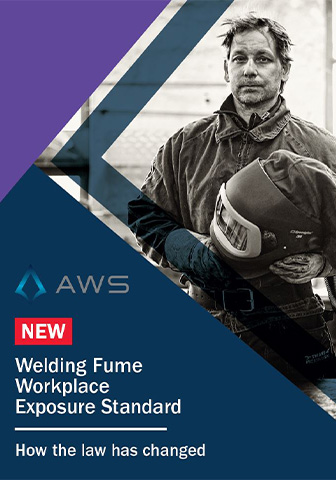
NEW Welding Fume Workplace Exposure Standard
There is officially a lower Workplace Exposure Standard for Welding Fume in Australia. In September 2023, SafeWork Australia voted to lower the Workplace Exposure Standard for Welding Fume from 5mg/m3 to 1mg/m3. In January 2024, Work Health and Safety Ministers endorsed the decision to change legislation in Australia. All workplaces must now comply to the new lower limit by law. This new limit applies to welders and anyone who works around welders. If you are a welder, work with welders, know a welder, or employ welders, it’s important that you educate yourself on what has changed and what can be done to reduce exposure to welding fume.
View White Paper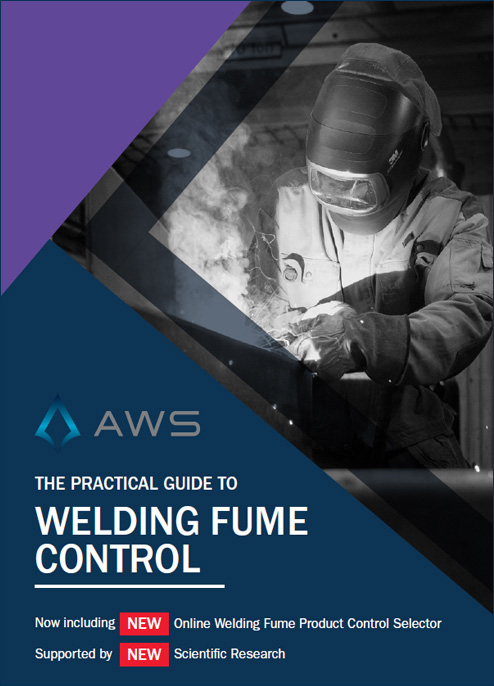
NEW: Practical Guide to Welding Fume
The Practical Guide to Welding Fume Control has become an industry favourite, providing clear, simple, and practical guidance on welding fume and is based on a simple premise - the health risk posed by welding fume is serious, however, keeping yourself safe can be straightforward. Now backed with new scientific research the Practical Guide to Welding Fume Control is even better!
View White Paper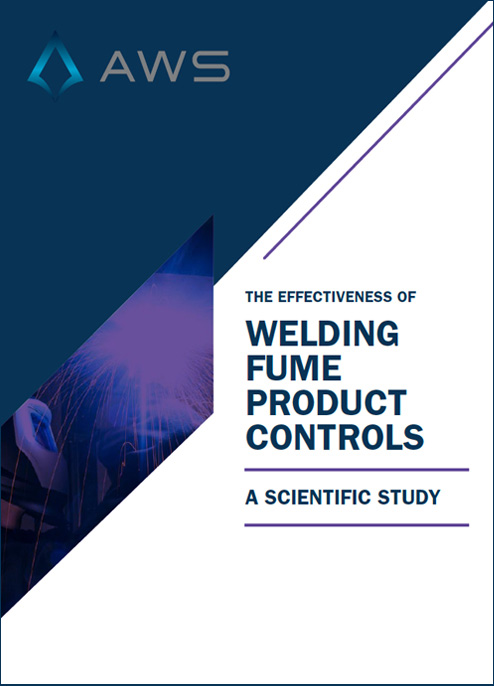
The Effectiveness of Welding Fume Product Controls – An Australian Scientific Study
Welding fume product controls are a vital aspect when seeking to reduce welding fume exposure for welders and those working near welding operations. The scientific study, published in the Safety Journal in 2023, examines different welding fume product control methods such as On-Gun Fume Extraction, Hooded Capture Extraction, and Welding Helmets with a Powered Air Purifying Respirator, and compares their effectiveness in reducing exposure to welding fume. Not only does the study examine these product control methods, but it also provides practical guidance on how to effectively control welding fume exposure.
View White Paper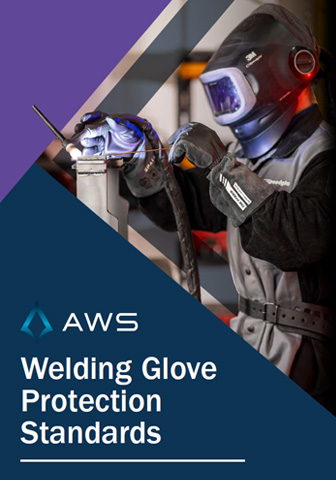
Welding Glove Protection Standards
Welding gloves play a vital role in shielding workers from the many hazards associated with welding. As a result, a series of key standards are implemented to ensure these gloves meet the requirements to keep welders safe from flames, sparks, spatter, sharp objects, and more. However, not all gloves are created equal. To help simplify this landscape and ensure welders are protected, the Welding Glove Protection Standards white paper outlines four core standards for welding gloves used throughout Australia and New Zealand, and addresses the key concerns raised by welders, safety managers and procurement teams alike.
View White Paper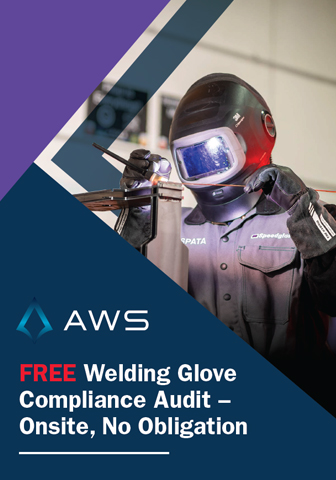
Free Welding Glove Audit Brochure
Welding gloves are one of the most critical pieces of PPE on your site – yet most businesses don’t realise how much the standards have evolved, or what they actually mean in practice. To help, we’re offering businesses a complimentary onsite or online welding glove audit! We’ll walk through your current glove setup onsite, translate the latest standards into clear, practical guidance & provide clear, obligation-free recommendations to improve safety and compliance. Download the brochure to learn more!
View White Paper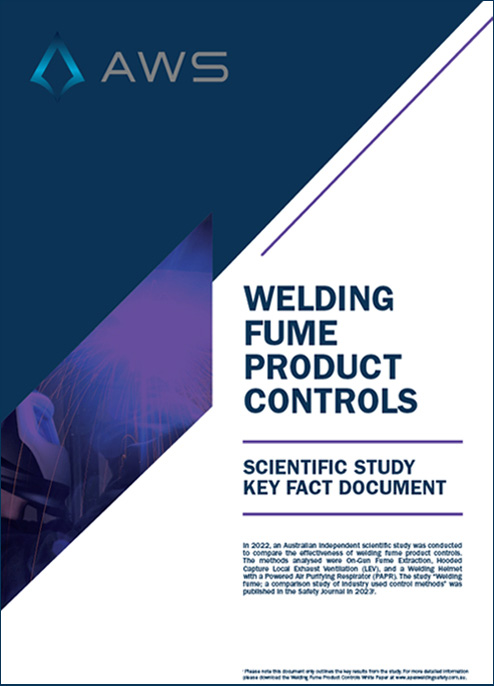
Effectiveness of Welding Fume Controls – Key Fact Document
Do you prefer just the key facts in an Infographic style document? The Key Fact Document presents the main results from the Effectiveness of Welding Fume Product Controls White Paper in an easy-to-read infographic-style brochure. The Key Fact Document offers practical guidance with clear next steps based on scientific data.
View White Paper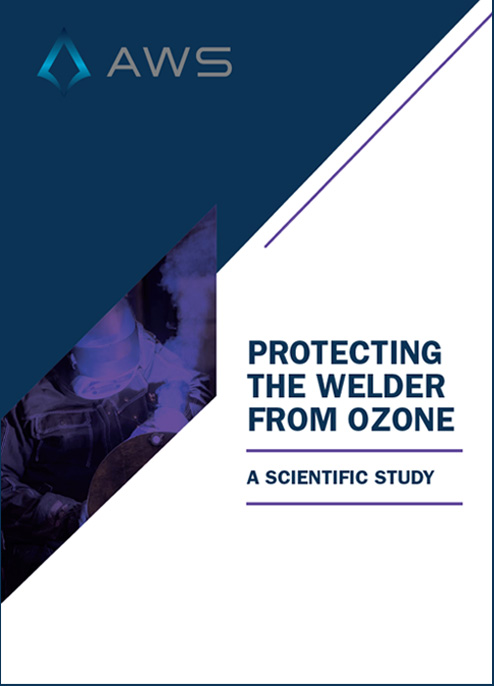
Protecting the Welder from Ozone – A Scientific Study
Ozone (O3) is an extremely toxic gas that is generated when ultraviolet radiation produced by the welding arc reacts with oxygen, which can cause serious health issues to unprotected welders. The main objective of this study was to understand the levels of ozone that an unprotected welder may be exposed to across a variety of common welding processes and whether a Welding Helmet with a Powered Air Purifying Respirator (PAPR) was an effective control in protecting the welder from exposure to ozone.
View White Paper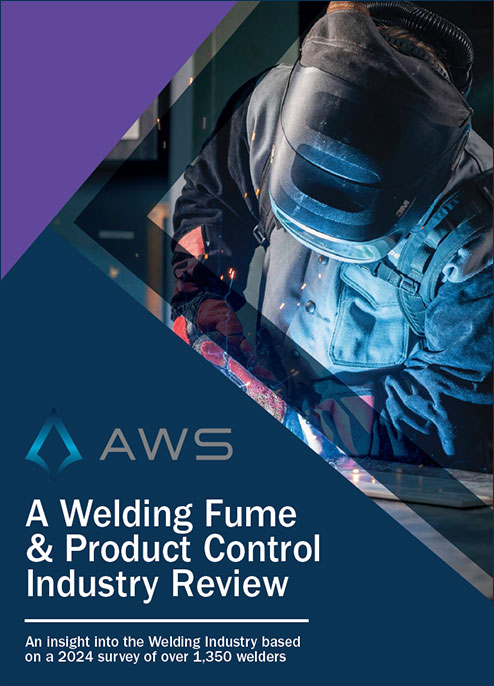
A Welding Fume & Product Control Industry Review
Based on a 2024 survey of over 1,350 welders across Australia, this review examines the current state of the welding industry regarding welding fume exposure and welding fume product controls. With the lower Workplace Exposure Standard (WES) for welding fume being introduced in January 2024, the objective of the survey was to understand whether the welding industry was aware of this change in legislation. The survey then sought to determine what methods of welding fume product controls were being employed to reduce exposure to as low as possible.
View White Paper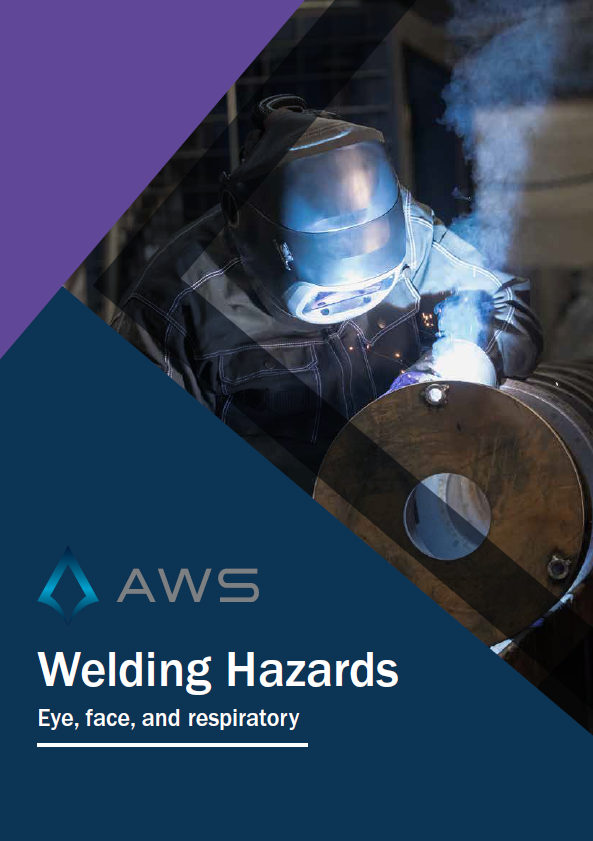
Welding Hazards: Eye, Face and Respiratory
A closer look at eye, face and respiratory hazards that welders face every day. This white paper explores the dangers of welding, and provides practical solutions to ensure that welders are protected. While eye and face injuries account for one-quarter of welding injuries, carcinogenic welding fume is another respiratory hazard that welders have to face each day. We take a closer look at how to control exposure and minimise workplace injuries.
View White Paper
Welding Hazards: Eye, Face and Respiratory – Thai
This is the Thai version of the Welding Hazards: Eye, Face and Respiratory white paper.
View White Paper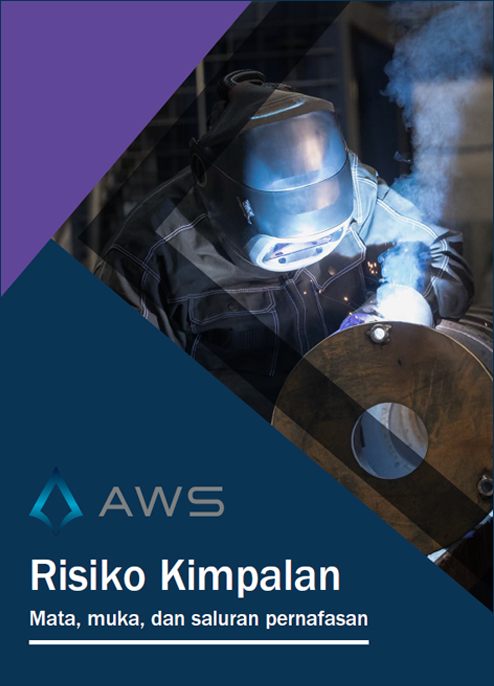
Welding Hazards: Eye, Face and Respiratory – Malay
This is the Malay version of the Welding Hazards: Eye, Face and Respiratory white paper.
View White Paper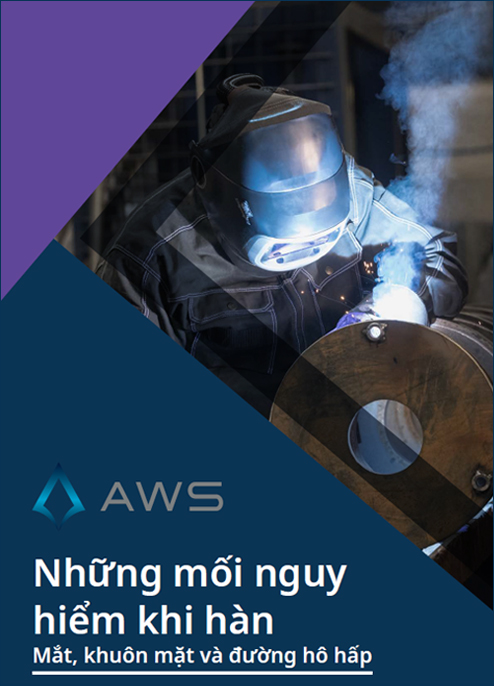
Welding Hazards: Eye, Face and Respiratory – Vietnamese
This is the Vietnamese version of the Welding Hazards: Eye, Face and Respiratory white paper.
View White PaperDetails submitted will be used to provide information relevant to your request. You can opt-out at any time and your information will never be shared. By submitting this form you agree to AWS' Privacy Collection Notice